One of Only Three in Iowa: Decatur County Hospital Secures Trio of Grants to Transform Cancer Care
March 2, 2026
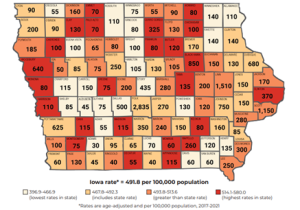 According to statewide cancer incidence data (2017–2021 age-adjusted rates), Decatur County ranks in the highest cancer rate category in Iowa — 514.1 to 580.0 cases per 100,000 residents.
That means our neighbors, friends, and families face a higher burden of cancer than most communities in the state.
When cancer rates are high, access to prevention, early detection, and treatment becomes even more critical. Distance, delays, and disconnected care can significantly impact outcomes.
In direct response to this need, Decatur County Hospital applied for and received three complementary grants that will expand cancer prevention, diagnosis, and treatment services, right here at home.
For patients and families, this means earlier answers, fewer miles traveled, and more coordinated care close to their support systems.
Together, these grants strengthen every step of the care journey and create a seamless continuum of care for Southern Iowa residents.
Prevention & Screening: Catching Health Issues Earlier
The first grant expands access to coordinated, specialty-level care for patients managing diabetes, heart disease, COPD, and other chronic conditions that often increase cancer risk or complicate treatment.
Why this matters in Decatur County:
With cancer rates already higher than the state average, improving prevention and chronic disease management is one of the most powerful ways to reduce risk and diagnose cancer earlier.
What this means for patients:
- More proactive screenings and preventive care
- Better management of chronic conditions
- Earlier identification of potential health concerns
- Fewer trips outside the county for advanced care
The goal is simple: to help patients stay healthier longer and detect problems before they become more serious.
Advanced Diagnostics Close to Home
Previously, advanced diagnostic imaging was available only on a limited basis, often requiring patients to travel and navigate more complicated scheduling. Now, thanks to the second grant, this technology will be available in-house, making access easier, faster, and more convenient for patients. This marks a significant step forward in improving cancer detection and treatment planning within our own community.
Why this matters in Decatur County:
When cancer incidence is high, timely diagnosis is essential. Long-distance travel for imaging can delay care and increase stress during an already difficult time.
What this means for patients:
- No more 60–90 mile trips for critical imaging
- Faster diagnosis and quicker treatment decisions
- Better coordination between imaging, lab, primary care and specialty care, and infusion services
- Less stress and fewer logistical barriers
Patients can now receive critical answers without leaving their community support system.
Expanded Treatment Access & Regional Support
The third grant designates Decatur County Hospital as a regional Center of Excellence and strengthens collaboration across southern Iowa through a hub-and-spoke model of care.
Why this matters in Decatur County:
High cancer rates require strong coordination across providers to ensure patients don’t fall through the cracks between appointments, specialists, and services.
What this means for patients:
- Expanded access to specialty and chronic disease services
- Stronger coordination between local and regional providers
- Smoother transitions between appointments and care teams
- Continued access to maternal, behavioral, preventive, and cancer care services
It ensures patients feel supported, connected, and confident throughout their care journey.
What This Means for Our Community
Together, these grants create a more connected healthcare experience in Decatur County:
- Earlier detection of disease
- Advanced diagnostics available locally
- Coordinated specialty care
- Strong regional partnerships
- Reduced travel burdens and fewer care delays
For patients, that translates to less uncertainty, less travel, and more confidence in their care plan.
For Decatur County, it means responding proactively to one of our most pressing health challenges.
This investment ensures local residents receive the cancer care they deserve, without leaving the community they call home.
For More Information
For additional details about the grants and how they are being implemented within our current services, please refer to the DCH insert in the March 11 newspaper.