MOHs Surgery
January 8, 2026
What Is Mohs Surgery? A Clear Guide for Patients
If you’ve been diagnosed with skin cancer, your doctor may recommend Mohs surgery. While the name can sound intimidating, Mohs surgery is actually one of the most precise and effective treatments for certain types of skin cancer. This guide explains what Mohs surgery is, how it works, and what you can expect.
What Is Mohs Surgery?
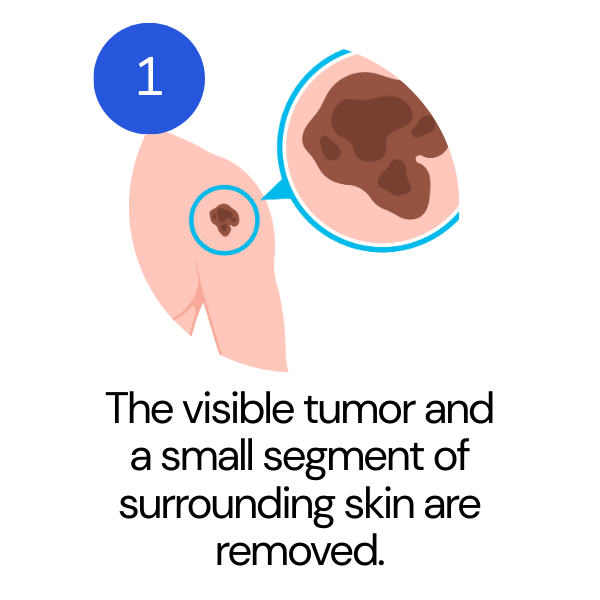
Mohs surgery, also called Mohs micrographic surgery, is a specialized surgical technique used to remove skin cancer layer by layer. Each layer is examined under a microscope immediately after removal to check for cancer cells.
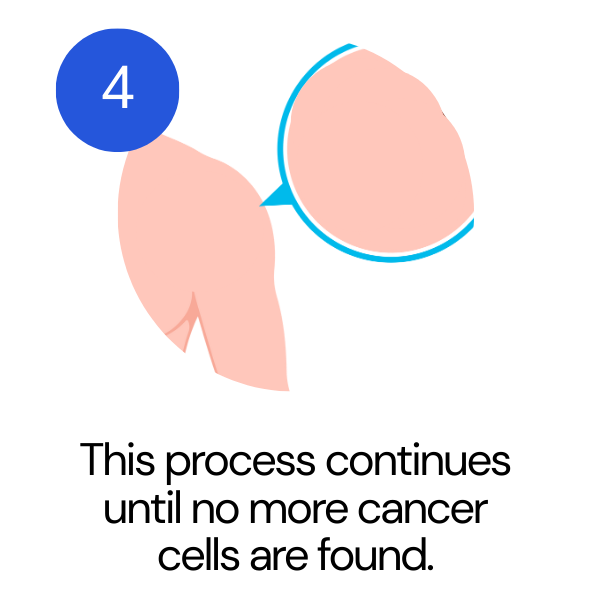
This process continues until no cancer cells remain, ensuring the cancer is fully removed while preserving as much healthy skin as possible.
Why Mohs Surgery Is Used
Mohs surgery is known for its high cure rate and tissue-sparing precision. It is commonly used when:
- The skin cancer is on cosmetically or functionally important areas (face, nose, ears, eyelids, lips, hands, feet)
- The cancer has unclear borders
- The cancer has returned after previous treatment
- Maximum preservation of healthy tissue is important
It is most often used to treat:
- Basal cell carcinoma
- Squamous cell carcinoma
- Some less common or aggressive skin cancers
How the Mohs Surgery Process Works
Mohs surgery is performed as an outpatient procedure, usually in a dermatologist’s office.
Step-by-step:
- Local anesthesia is applied to numb the area.
- The surgeon removes a thin layer of visible cancer.
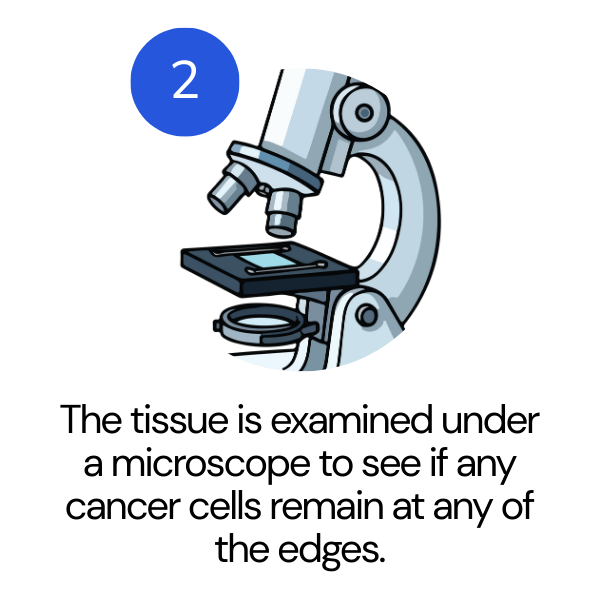
- That layer is mapped, processed, and examined under a microscope.
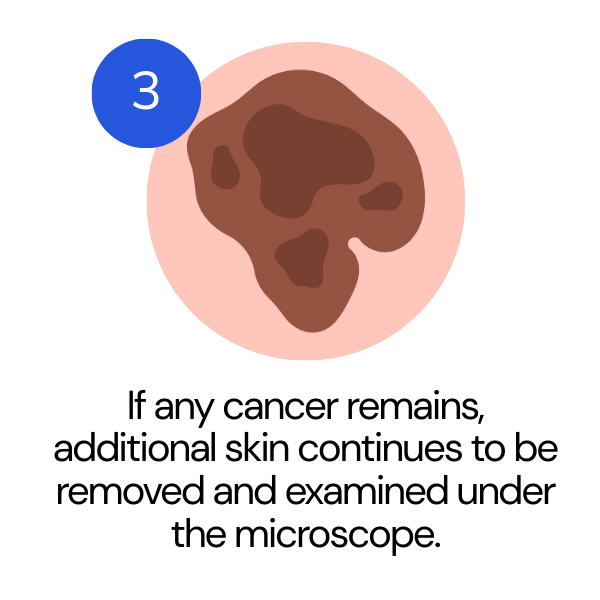
- If cancer cells are found, another thin layer is removed only where cancer remains.
- The process repeats until the area is completely cancer-free.
Because the tissue is examined during surgery, Mohs offers real-time confirmation that the cancer has been fully removed.
Benefits of Mohs Surgery
Mohs surgery offers several important advantages:
- Highest cure rates (up to 99% for some skin cancers)
- Maximum preservation of healthy skin
- Lower risk of recurrence
- Smaller scars compared to traditional excision
- Same-day confirmation that the cancer is gone
These benefits make it the gold standard for many skin cancers, especially in visible areas.
What to Expect on Surgery Day
- The procedure can take several hours, due to lab processing between stages.
- You’ll be awake the entire time, but the area will be numb.
- Bring a book, phone, or work because there may be waiting periods.
- Once cancer removal is complete, the wound may be:
- Closed with stitches
- Repaired with a skin flap or graft
- Allowed to heal naturally, depending on size and location
Recovery and Healing
Most patients experience:
- Mild swelling or bruising
- Minimal pain, usually controlled with over-the-counter medication
Your surgeon will provide detailed aftercare instructions, and healing typically progresses over several weeks. Scars often fade significantly over time.
Is Mohs Surgery Right for You?
Mohs surgery isn’t necessary for every skin cancer, but it is often the best option for high-risk or sensitive areas. A board-certified dermatologist or Mohs surgeon can help determine the most appropriate treatment based on your diagnosis.
Final Thoughts
Mohs surgery is a highly effective, precise, and patient-focused treatment for skin cancer. By removing cancer completely while preserving healthy tissue, it offers peace of mind and excellent long-term outcomes.
If you’ve been recommended Mohs surgery, don’t hesitate to ask your doctor questions—understanding the process can make the experience far less stressful and much more empowering. For more information on our services visit our Dermatology page.